The Machinery Behind Global Trade
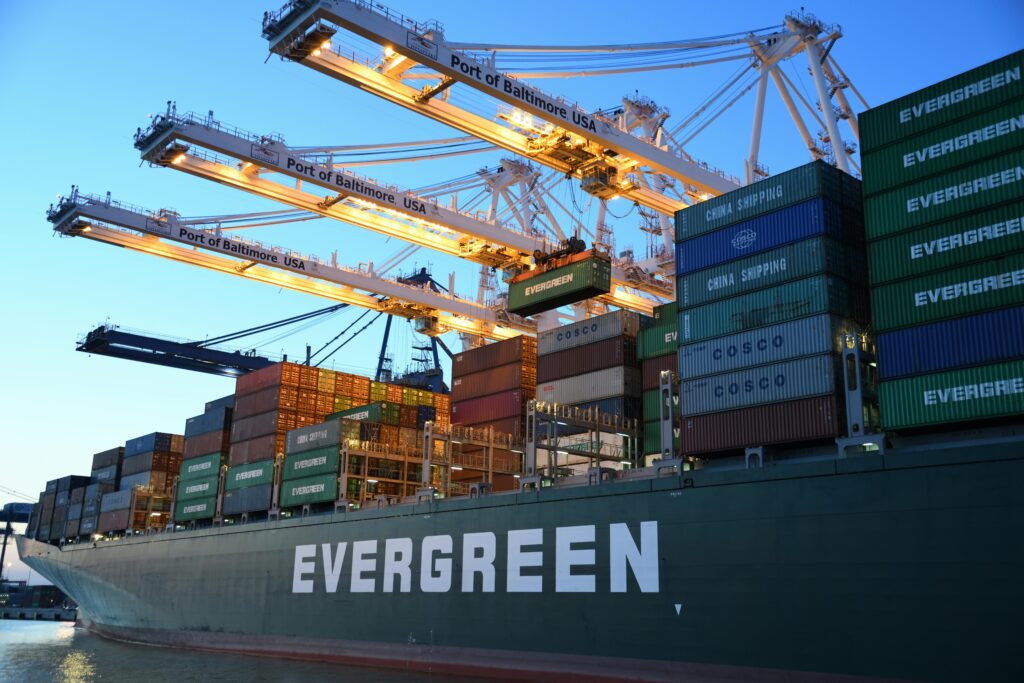
Once goods are produced, trade becomes about movement, coordination, and security. Every traded item enters a system governed by contracts, insurance, shipping schedules, port authorities, customs agencies, and naval power. This machinery is mostly invisible to consumers, yet it decides which nations gain leverage and which remain dependent. The modern trade system depends on predictability. Manufacturers commit to production schedules months or years ahead, retailers plan inventory around shipping times, and financial markets price risk based on the reliability of supply chains. Any disruption from war, piracy, sanctions, labour strikes, or natural disasters causes ripples. Trade is not just economic exchange; it is managed stability, enforced through infrastructure and power – a great instability we have discussed before. Shipping companies, port operators, insurers, and logistics firms form a quiet but crucial layer of global influence. A nation may not produce much itself but can have great trade power if it controls key parts of this system. Here, geography and maritime strength become critical. The Strategic Geography of Trade Routes Trade does not flow evenly across the globe. It moves through narrow corridors: straits, canals, chokepoints, and coastal hubs. These places have disproportionate importance because they concentrate global movement into controllable areas. The Strait of Hormuz, the Suez Canal, the Panama Canal, and the Malacca Strait are not just water passages; they are strategic levers, as history has shown time and time again. Control over these routes does not always mean ownership. It can mean a naval presence, political influence over neighbouring states, or economic leverage through port investment and debt. When trade routes are secure, commerce thrives. When they are threatened, markets panic, prices spike, and governments step in. This shows why maritime security is a central concern for major powers. This was seen particularly in the Suez Canal, as political tensions between middle eastern countries and western powers lead to a brief military takeover of the red sea, which proved a major strike on European trade, who rely on the canal for transport to Asia. Historically, empires that dominated trade routes also dominated global politics. From the Athenian navy to the British Royal Navy, naval power allowed states to project influence far beyond their borders. Sea strength enabled nations to protect their merchants, disrupt rivals, and enforce trade rules on their terms. Even today, freedom of navigation reflects who can guarantee it. Ports as Instruments of Power Ports are the physical centres of trade power. They are not just loading zones but complex systems that integrate rail, road, storage, customs, finance, and security. A modern port is a city within a city, generating jobs, technological growth, and political influence. Countries that invest heavily in port infrastructure often do so with strategic goals in mind. Deep-water ports that can handle the largest container ships become vital as shipping consolidates into fewer, larger vessels. Automation, digital tracking, and logistics integration improve efficiency but also centralize control. Whoever manages these ports gains insight into trade flows and influence over who can access them. This particularly happens along the African cost – countries such as China step in and offer to construct port infrastructure for these coastal countries – on the premise that, say, China would control the port for a set period. Port ownership has also become a geopolitical issue. Investments in foreign ports—often labelled as development aid or infrastructure financing—can lead to long-term influence. Control over port operations can mean influence over tariffs, access, and even military logistics. In this way, ports become tools of statecraft, not just commerce. Some nations benefit more by positioning themselves as hubs rather than producers. Singapore thrives not because of natural resources but due to its unmatched port efficiency and strategic location. The Netherlands, through Rotterdam, serves as a gateway to Europe. These countries extract value from trade itself, not just from their exports. This was one of the major strengths of the British Empire – as well as producing many demanded crops such as sugarcane to sell, Britain became a key stop-over point for external merchants trading with Europe and the Americas. Who Benefits Most from Trade While trade increases global wealth, its benefits are not evenly shared. Countries that gain the most from trade tend to have several common traits: strong institutions, control over logistics, advanced manufacturing or high-value services, and naval or diplomatic power to protect trade interests. Developed maritime nations often sit at the top of this hierarchy. They export complex goods and services, capture value through finance and insurance, and control shipping lanes. Their economies are diversified, allowing them to absorb shocks. When trade expands, they grow; when it contracts, they adjust. Export-oriented industrial states also benefit significantly, especially those that pair low production costs with state coordination. These nations use trade to build capital, technology, and geopolitical influence. However, their success heavily relies on continued access to foreign markets and secure shipping routes. In contrast, resource-dependent countries often reap the least relative benefit. While they may earn revenue from exports, they are vulnerable to price fluctuations and external control of transportation and processing. Without control over shipping, refining, or ports, much of the value generated by trade escapes their reach. Thus, the biggest winners of trade are not necessarily those who produce the most, but those who control movement, standards, finance, and access. Trade favours coordination and power more than sheer output. Sea Control and Political Authority The connection between sea power and political authority remains strong. Naval presence protects trade but also signals dominance. Countries with global naval reach can impose sanctions, protect allies, and shape trade rules far from their shores. Trade sanctions are a form of weaponized trade control. They rely not only on legal authority but also on physical enforcement—monitoring ships, controlling insurance, and restricting port access. Without control of maritime systems, sanctions lose their effectiveness. This dynamic reinforces the truth that control of the seas underpins political order. Nations that depend on others for maritime security face limitations in their political choices. They may trade freely, but only within the boundaries set by those who secure the routes. Even international trade law reflects this truth. Rules are negotiated in forums where power imbalances matter. Enforcement depends on the willingness and ability of powerful states to uphold outcomes. Trade is not a neutral exchange; it is a