Trade is one of the most basic activities in human history. Long before modern states, currencies, or corporations were created, people exchanged goods and services to fulfil their needs. At its heart, trade involves buying and selling goods and services between individuals, businesses, or countries. Though it seems straightforward, trade has evolved into a very complex system that connects nearly every part of the world. It shapes economies, influences political relationships, drives technological growth, and impacts everyday life. Understanding trade is essential for grasping how the modern world operates.
The Basic Concept of Trade
Trade exists due to the uneven distribution of resources. Different regions have varying climates, natural resources, skills, and technologies. Some areas have rich fertile land, while others have minerals, oil, or skilled labour. Trade enables regions to focus on what they can produce most effectively and exchange their surplus for goods they do not have. This concept applies at all levels, from individuals trading time for wages to nations exporting manufactured products in return for raw materials.
Trade can take many forms. Domestic trade happens within a country, like when farmers sell their produce in urban markets. International trade occurs across national borders and involves exports (goods sold to other countries) and imports (goods bought from other countries). Domestic trade is usually simpler because of shared laws and currencies, while international trade is more complex and includes exchange rates, tariffs, trade agreements, and customs regulations.
Historical Development of Trade
Trade has been a part of human societies since ancient times. Initially, barter systems were common, where goods were exchanged directly without money. For instance, grain could be traded for livestock or tools. However, barter was inefficient as both parties had to want what the other had to offer. The invention of money solved this problem and greatly expanded trade. Ancient civilizations in Mesopotamia, Egypt, India, and China established extensive trade networks, such as the silk roads. The Silk Road connected East Asia with Europe, allowing silk, spices, metals, ideas, and technologies to flow between regions. Similarly, maritime trade thrived in the Mediterranean, Indian Ocean, and later the Atlantic. Trade was not just economic; it also spread religions, languages, scientific knowledge, and cultural practices.
During the Age of Exploration from the 15th to the 18th centuries, European powers dramatically expanded global trade. Colonies were established primarily to control trade routes and resources. While this period increased global exchange, it also led to exploitation, slavery, and unequal economic relationships that continue to shape global trade patterns today. The Industrial Revolution marked another key moment. Mechanized production increased output, lowered costs, and created a strong demand for raw materials and new markets. Trade volumes grew quickly, and modern financial systems, shipping methods, and trade institutions began to take shape.

Trade in the Modern Global Economy
Today, trade is deeply woven into the global economy. Most products consumed now contain components or resources from various countries. A smartphone, for instance, may be designed in one country, assembled in another, and have materials sourced from several continents. This interconnected system is commonly referred to as globalization – which is and has been the centre of the modern world.
International trade today operates under rules and organizations. Entities like the World Trade Organization (WTO) aim to promote fair trade, reduce trade barriers, and resolve disputes. Trade agreements, including free trade agreements and regional trade blocs, establish the terms for how countries trade with one another. These agreements often reduce tariffs (taxes on imports), set standards, and protect intellectual property.
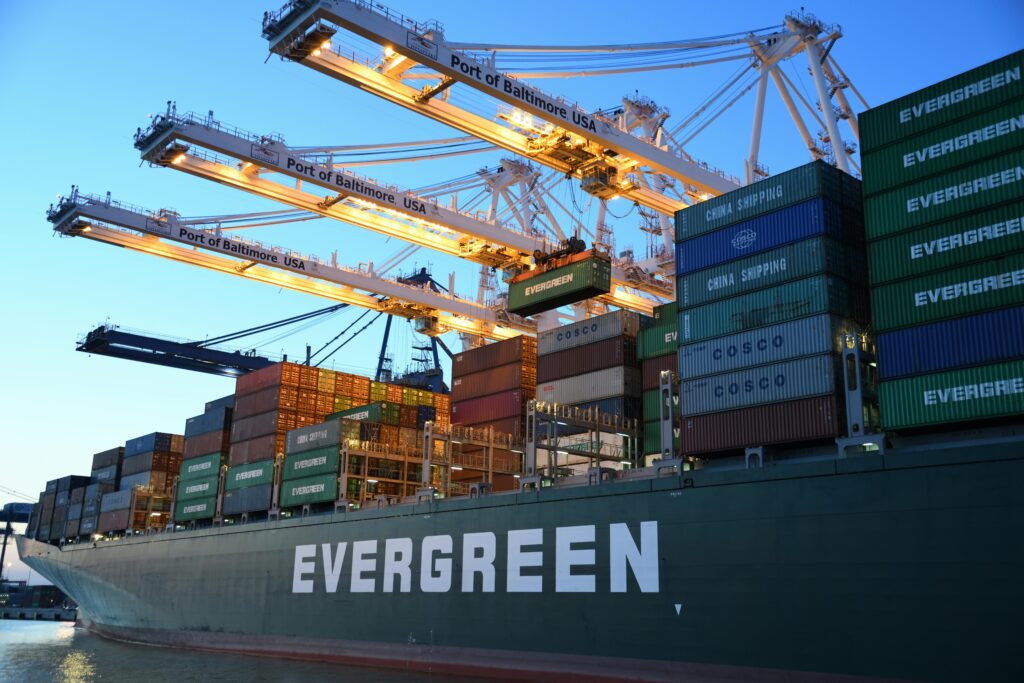
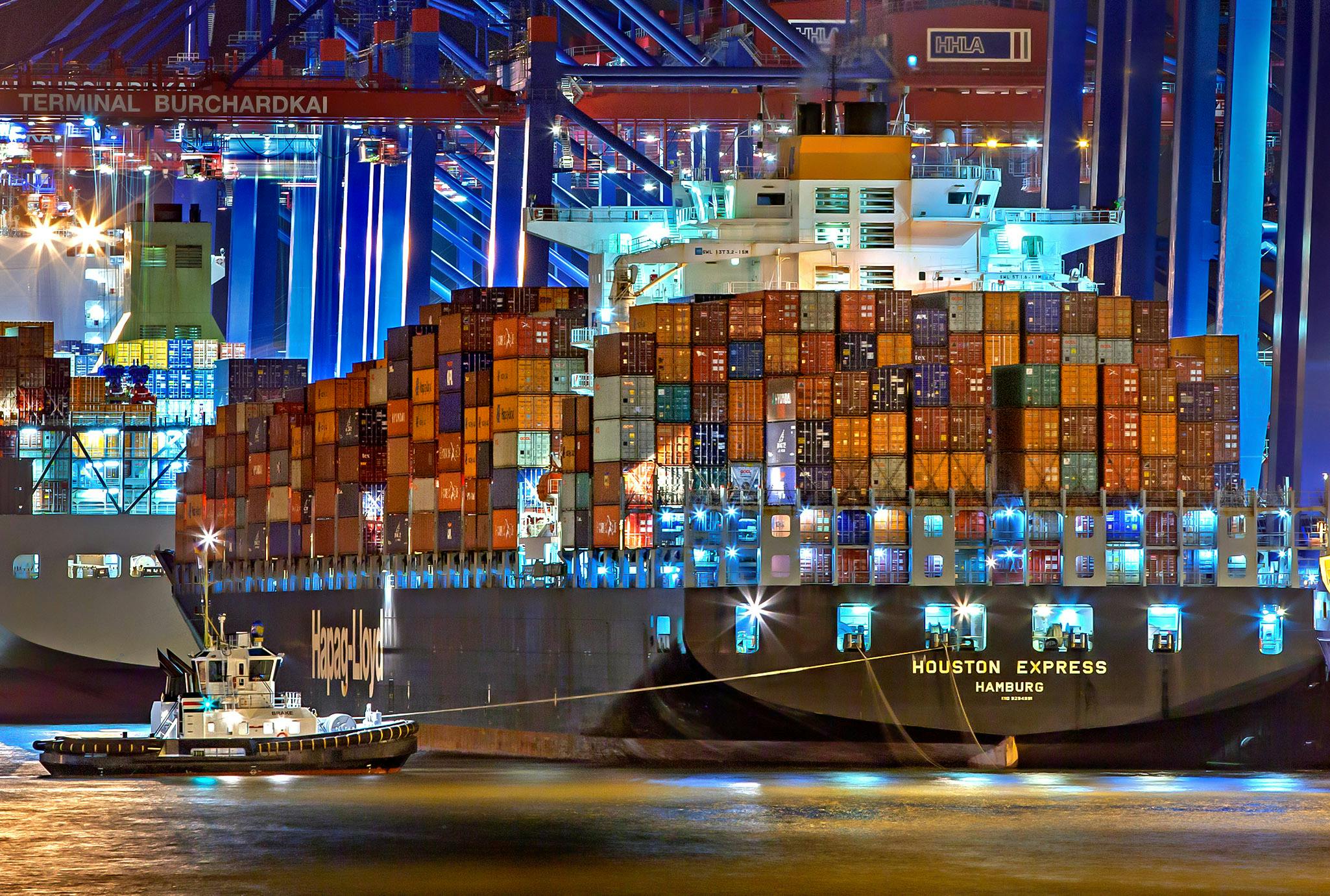
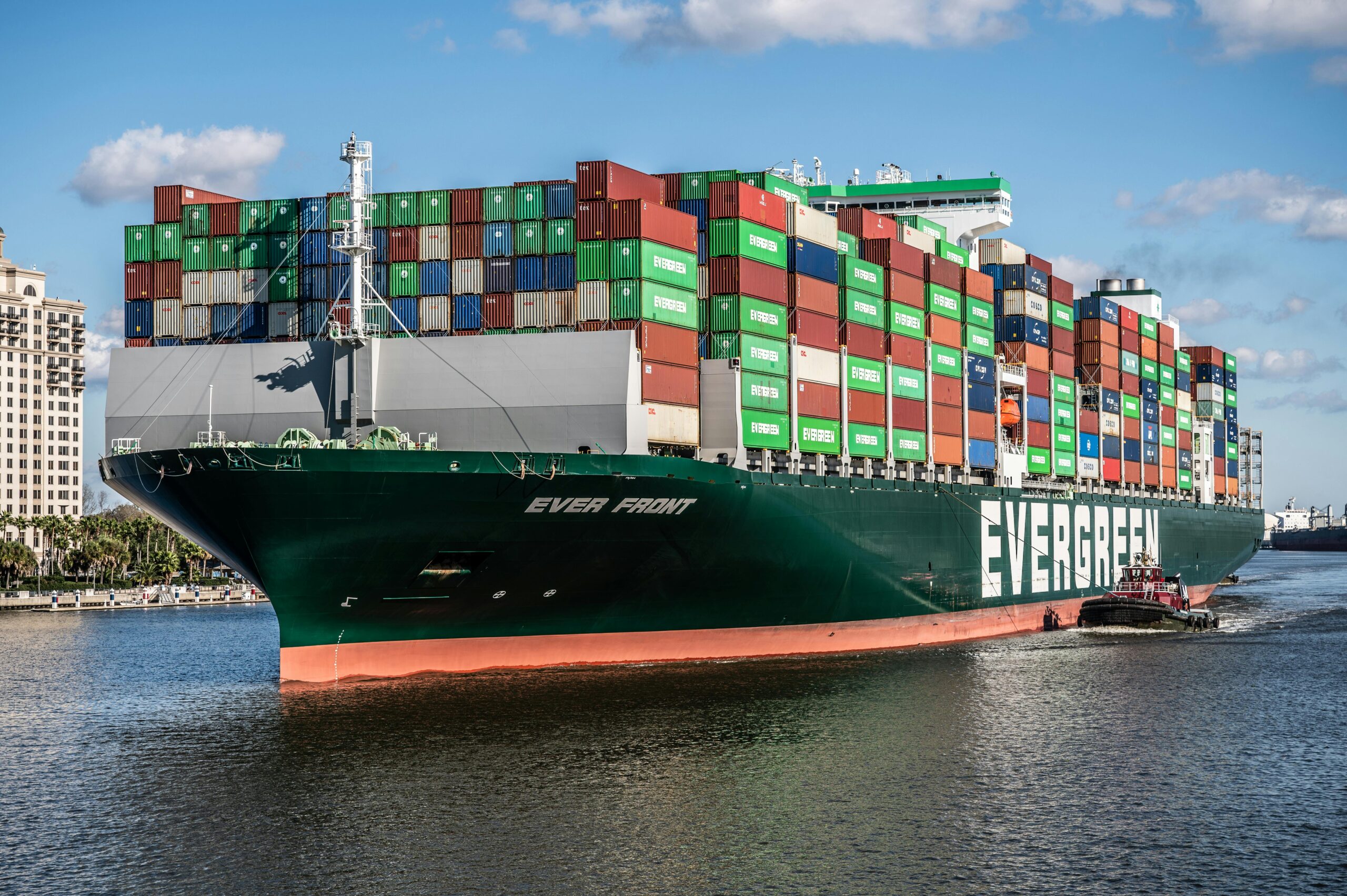
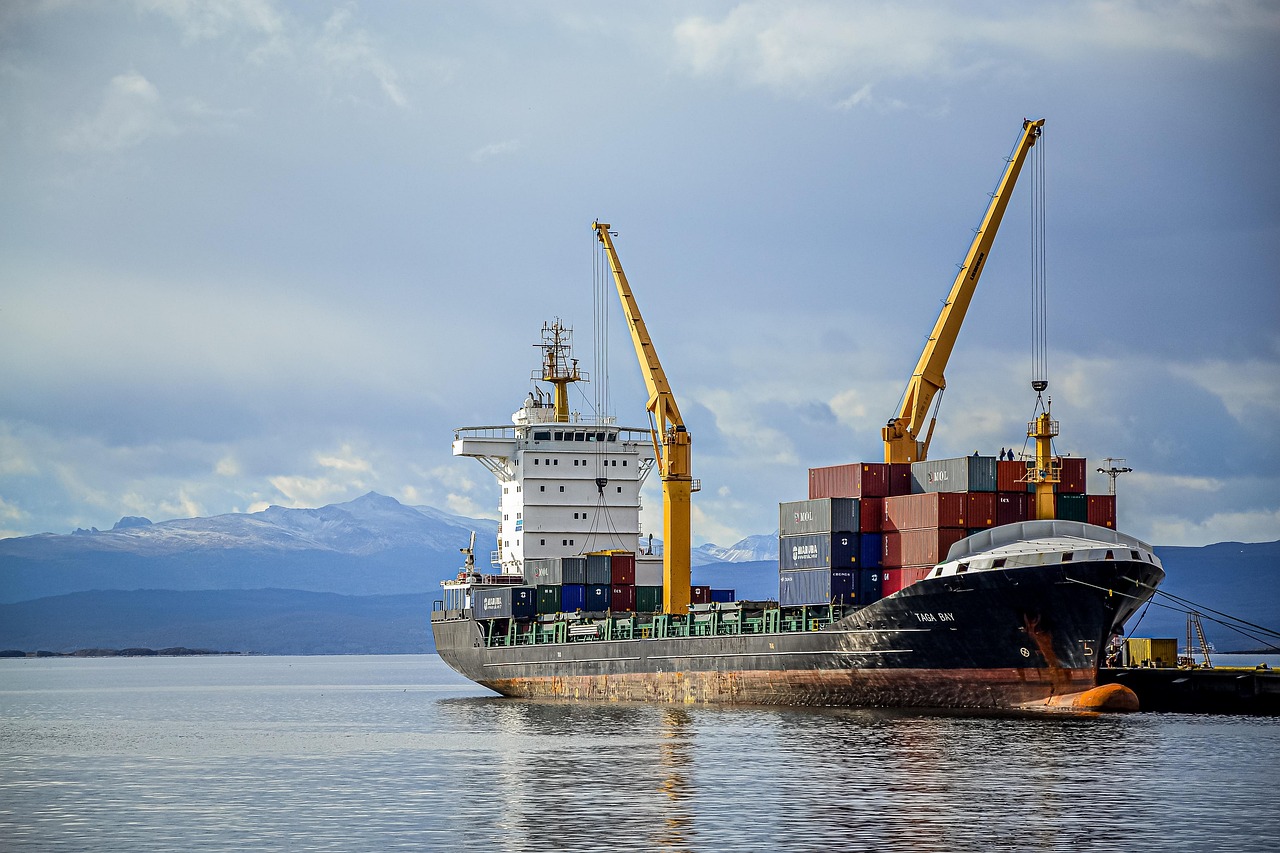
Improvements in transportation and communication have made trade faster and less expensive. Container shipping, air freight, and digital logistics systems allow goods to move efficiently over long distances. Additionally, digital trade has emerged, where services, software, and data are traded online without physical shipment, as will be discussed in a later article.
Comparative Advantage and Specialization
One crucial principle that explains the benefits of trade is comparative advantage. This concept suggests that countries should focus on producing goods they can make at a lower opportunity cost than others, even if they aren’t the most efficient in absolute terms. By specializing and trading, everyone can benefit. For example, one country might be better suited for agriculture due to its climate and land, while another excels in manufacturing thanks to its skilled labour and technology. If each focuses on its strengths and trades, both can enjoy more goods than if they tried to produce everything on their own. This principle helps illustrate why trade can enhance overall economic efficiency and living standards.
Specialization also promotes innovation. When producers concentrate on specific industries, they gain experience, improve techniques, and invest in better technology. Over time, this can lead to higher productivity and economic growth.
Benefits of Trade
Trade provides numerous benefits at both national and individual levels. One significant advantage is access to a wider variety of goods and services. Consumers can enjoy products that are not made domestically, often at lower prices. This enhances quality of life and consumer choice. Trade also supports economic growth. Export industries create jobs, generate income, and attract investment. Countries that actively participate in international trade often experience faster growth due to increased production and efficiency. For developing countries, trade can be a path to industrialization and poverty reduction when managed properly. Another benefit is the transfer of knowledge and technology. Through trade, countries gain exposure to new technologies, business practices, and ideas. This can boost productivity and help industries modernize. Trade also encourages competition, prompting companies to innovate and improve quality to stay competitive.
On a global scale, trade can foster cooperation and interdependence among countries. When economies are linked through trade, they often have stronger reasons to maintain peaceful relations, as conflict can disrupt valuable economic connections.
Challenges and Criticisms of Trade
Despite its benefits, trade also brings significant challenges. One major concern is the unequal distribution of gains. While trade can increase overall wealth, not everyone benefits equally. Some industries may struggle due to foreign competition, leading to job losses and economic difficulties in certain areas. Workers lacking the necessary skills for growing industries may find it hard to adjust. Another issue is trade imbalances, where a country imports much more than it exports, resulting in debt and currency pressures. Ongoing trade deficits can raise concerns about economic stability, although their impact varies based on broader financial circumstances.
Trade can also trigger environmental issues. Increased production and transportation can lead to pollution, resource depletion, and higher carbon emissions. In some cases, countries may relax environmental standards to attract investment, resulting in a “race to the bottom.” Addressing these challenges requires global cooperation and sustainable trade practices.
Concerns about labour standards also arise. In the quest for lower costs, companies may move production to countries with weaker labour protections, resulting in poor working conditions and low wages. Ethical trade initiatives and international labour standards aim to tackle these issues, but enforcement is often inconsistent.
Trade Policy and Government Intervention
Governments play an important role in shaping trade through policy. Trade barriers like tariffs, quotas, and subsidies help protect domestic industries, raise government revenue, or address strategic interests. While protectionist measures can assist certain industries in the short term, they usually increase prices for consumers and lessen overall economic efficiency. In contrast, free trade policies aim to cut barriers and let markets operate more freely. Supporters contend that free trade drives growth, efficiency, and innovation. Critics argue that it can expose vulnerable industries and workers to excessive competition without adequate support. Most countries take a mixed approach, balancing openness with strategic protection. Modern trade policy also increasingly addresses non-traditional issues like digital trade, environmental standards, intellectual property, and data protection.
The Role of Trade in Development
Trade has significantly contributed to the development of many countries. East Asian economies like South Korea and China used export-oriented strategies to drive industrial growth, boost employment, and increase incomes. By gradually integrating into global markets, these countries transformed their economies within a few decades. However, trade alone cannot ensure development. Successful trade-based growth often relies on supportive policies such as education, infrastructure investment, good governance, and social protection. Without these, countries may remain reliant on exporting low-value raw materials and struggle to move up the value chain. For the least developed countries, access to global markets can be limited by inadequate infrastructure, financial resources, and bargaining power. International support, fair trade practices, and capacity-building efforts are essential to ensure that trade positively contributes to development.
The Future
Trade is changing rapidly due to technological, political, and environmental shifts. Digital platforms are altering how services are traded, while automation and artificial intelligence are transforming production. At the same time, geopolitical tensions and global crises have led some countries to rethink supply chain reliance and prioritize resilience over efficiency.
Sustainability is also becoming a key issue. Future trade systems will likely emphasize environmental responsibility, ethical sourcing, and carbon reduction. How countries balance economic growth with social and environmental goals will shape the next phase of global trade.